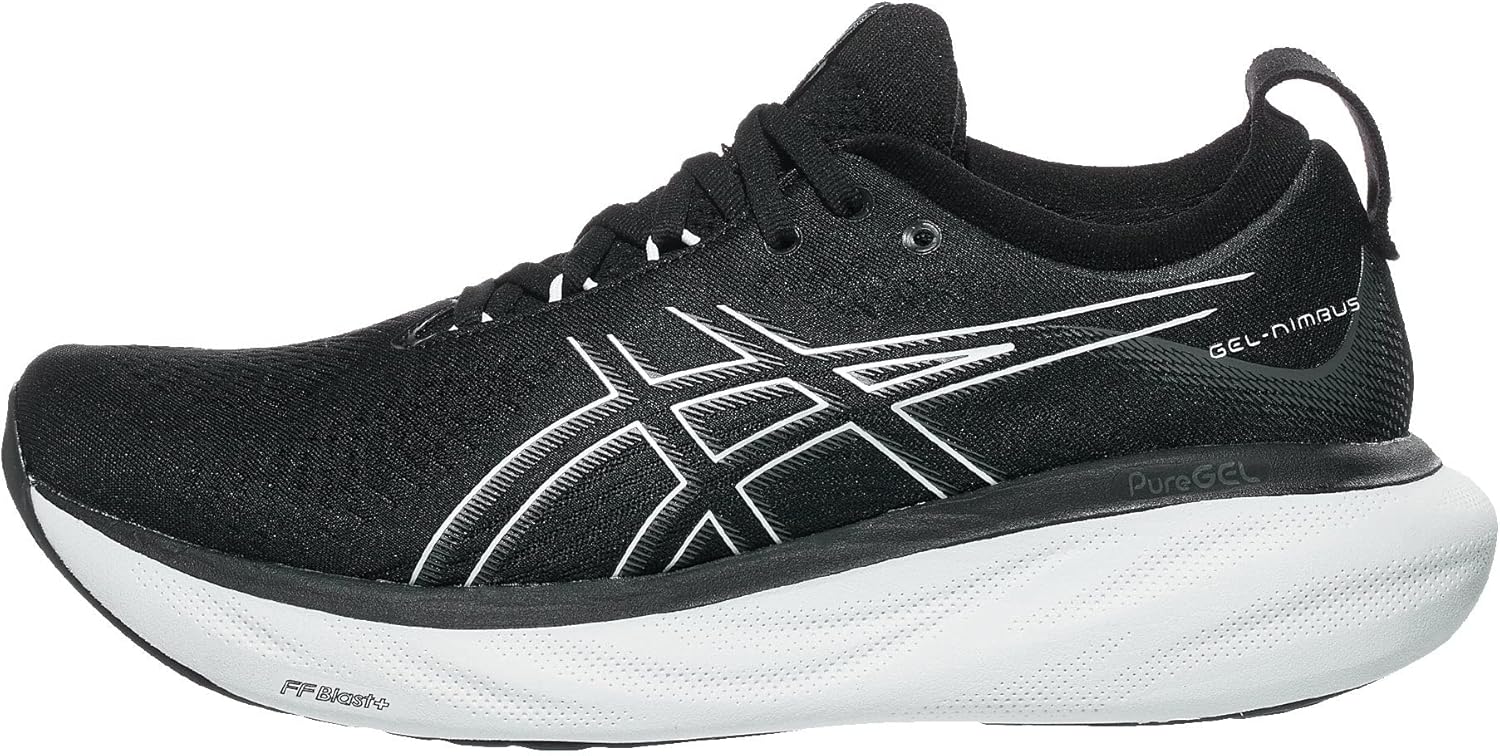
Best Running Shoes (2026)
Road and trail running shoes reviewed for cushioning, stability, breathability, and durability.
3 products tested and compared
How to Choose the Right Running Shoes
Running shoes are not a category where you should settle. The wrong pair can cause blisters, black toenails, knee pain, and plantar fasciitis; the right pair will disappear on your feet and let you focus entirely on the run. Yet most people buy their running shoes the same way they buy their casual trainers — by look, brand loyalty, or whatever happens to be on sale. This guide will help you make a genuinely informed decision.
Stack Height and Drop: The Geometry of the Shoe
Two numbers define the fundamental character of a running shoe more than any other specification: stack height and heel-to-toe drop.
Stack height is the thickness of midsole foam beneath the foot, measured in millimetres. Traditional running shoes have stack heights of 20–30 mm. Modern maximalist shoes — the plush, cloud-like designs that have dominated the past several years — push 35–45 mm or beyond. A higher stack means more cushioning underfoot and better protection from ground impact over long distances. A lower stack brings you closer to the ground, improving sensory feedback and proprioception, which some runners prefer for shorter, faster efforts. Neither is universally superior; it comes down to your preference, your terrain, and how far you run.
Heel-to-toe drop (sometimes called offset or pitch) is the difference in stack height between the heel and the forefoot. A traditional running shoe has a drop of around 10–12 mm — relatively high, designed to encourage heel striking. A zero-drop shoe has equal stack at heel and toe, promoting midfoot or forefoot landing. Lower drops place more demand on the Achilles tendon and calf muscles, which is why transitioning to a significantly lower drop than you are used to should be done gradually and carefully to avoid injury. Most everyday road runners are comfortable in the 6–10 mm range.
If you are recovering from an Achilles issue, a slightly higher drop (10–12 mm) reduces the load on that tendon. If you are a natural forefoot striker or coming from a barefoot background, lower drops (4–6 mm) will feel more natural.
Cushioning Foam: What the Materials Actually Mean
The foam in the midsole is the heart of any running shoe, and manufacturers invest heavily in proprietary foam formulations. Understanding what makes a good foam helps you cut through the marketing.
The key properties of a good running shoe foam are energy return (how much of each footstrike is returned as forward propulsion), durability (how well the foam maintains its properties over hundreds of kilometres), and weight (lighter foam means less energy expenditure over long distances).
Traditional EVA foam is adequate and cost-effective but offers modest energy return and can compress and harden over time. Modern proprietary foams — which appear across the price spectrum in the shoes reviewed here — are engineered to be softer, more responsive, and longer-lasting than basic EVA. They often incorporate nitrogen or supercritical CO2 processes during manufacturing that create a finer, more consistent foam cell structure.
When comparing shoes, do not be overly swayed by foam marketing names. Instead, look at independent reviews that test real-world energy return and durability after 400–800 km of running — this is where the differences between budget and premium foams become most apparent.
Stability vs Neutral: Getting Your Gait Right
This is possibly the most misunderstood area of running shoe selection, and it is also one of the most important.
Neutral shoes are designed for runners whose foot naturally pronates (rolls inward) a normal amount during the gait cycle. The shoe provides cushioning and structure but does not attempt to correct the foot's natural movement.
Stability shoes include features — typically a denser foam post or guide rail system on the medial (inner) side of the midsole — that moderate excessive inward rolling (overpronation). If you overpronate and wear a neutral shoe, you may be at greater risk of knee, hip, and IT band issues over time. Wearing a stability shoe when you do not need one is generally less harmful but can feel slightly odd.
How do you know which you need? The most reliable method is a gait analysis at a specialist running shop — many offer this free of charge and it takes about five minutes. You run on a treadmill while a slow-motion camera records your foot strike from behind, and a trained advisor analyses your pronation pattern. This is genuinely worth doing, particularly if you plan to run more than 20 miles per week or you have a history of knee or hip injuries.
As a rough home guide: look at the wear pattern on your old trainers. Wear concentrated heavily on the inner edge of the heel and forefoot suggests overpronation. Wear concentrated on the outer edge (underpronation or supination) is less common. Relatively even wear suggests a neutral pattern.
The Heel Counter
The heel counter is the rigid structure inside the back of the shoe that cups and holds the heel in place. A firm, well-constructed heel counter prevents the foot from rolling outward, maintains alignment, and keeps the shoe seated properly on the foot. A soft or collapsing heel counter allows the foot to move laterally inside the shoe, which is inefficient and can contribute to blisters and instability.
When trying on shoes, press the back of the heel counter with your thumb. It should feel firm and maintain its shape. If it deforms easily under light pressure, the long-term structural integrity of the shoe is questionable.
Upper Mesh and Breathability
The upper — everything above the midsole — determines how the shoe feels on the foot in terms of comfort, fit, and ventilation. Most modern running shoe uppers are made from engineered mesh, which is woven or knitted to be lightweight and breathable while still providing structure where it is needed.
Breathability matters most in warm weather and on longer efforts where foot sweat accumulates. A well-ventilated upper keeps the foot drier, reducing the risk of blisters significantly. In colder months or on wet trail runs, you may actually prefer a less breathable upper — or a shoe with a Gore-Tex or waterproof membrane — to keep heat in and water out.
Look at the mesh density across the upper. A very open, porous mesh is maximally breathable but offers less protection from debris on trail runs. A tighter engineered mesh balances breathability with structure and durability.
Outsole Rubber: Grip and Durability
The outsole is the rubber layer on the bottom of the shoe that contacts the ground. For road running, the key qualities are grip on wet tarmac and durability. Look for carbon rubber (rather than blown rubber) in the high-wear zones under the heel and forefoot — it lasts significantly longer.
For trail running, the outsole design becomes far more important. Deeper, more widely spaced lugs provide better grip on mud and loose terrain. The rubber compound matters too — harder compounds last longer but grip less in cold or wet conditions; softer compounds grip better but wear faster.
If you are running primarily on roads but occasionally on light trail, a road shoe with a reasonably grippy outsole will serve you well. Serious off-road running — technical trails, fell running, or regular muddy cross-country — genuinely warrants a dedicated trail shoe.
Toe Box Width: Often Overlooked, Always Important
Running feet swell during exercise — sometimes significantly, particularly on runs over an hour. A toe box that is adequate when you first put the shoe on may feel constricting after 45 minutes, leading to painful toenails, blisters on the little toe, and nerve pain across the ball of the foot.
Look for at least a thumb's width of space between your longest toe and the end of the shoe when standing. The toes should be able to splay naturally — not scrunched together — with the widest part of your foot comfortably contained within the widest part of the shoe. If you have wider-than-average feet, specifically seek out models available in wide-fit versions, as standard fit can cause significant discomfort on longer runs regardless of length sizing.
Common Mistakes to Avoid
Buying by brand loyalty alone. Running shoe fit and feel varies enormously even within a single brand's range, and what worked for you three years ago may have been updated, relasted, or replaced with a different geometry. Try on shoes from the current range with fresh eyes.
Ignoring gait and pronation. Running in a shoe that does not match your gait is like wearing someone else's prescription glasses — it might be tolerable, but it is not right. Get a gait analysis before committing to a shoe if you have not had one recently.
Buying for looks. A shoe that looks fantastic but fits badly, runs stiff, or has inadequate cushioning for your mileage will be painful very quickly. In running footwear, function absolutely has to come before form.
Going by size without trying. Running shoes often fit differently to casual footwear from the same brand. Many runners find they need a half or even a full size up from their usual shoe size to accommodate toe splay and foot swelling on longer runs. Always try on running shoes and do a few laps of the shop — ideally on a treadmill if the shop has one.
Ignoring replacement intervals. Most running shoe midsoles are rated for approximately 400–800 km, after which the foam has compressed sufficiently that it no longer provides adequate protection. If your shoes feel noticeably harder underfoot than when new, or you are running in pain that was not there before, it is likely time for a new pair regardless of how the upper looks.
Price Tiers
Budget (under £80): Adequate for casual runners covering 10–15 miles per week. Foams are less advanced, cushioning compresses faster, and weight savings are limited. Fine as a first pair while you work out what you need.
Mid-range (£80–£130): Where the majority of serious recreational runners will be most comfortable. Better foam technology, more consistent fit, wider model ranges including stability options, and longer durability. Excellent value for half marathon and marathon training.
Premium (£130+): At this level you are accessing the best foam formulations, the lightest constructions, and — in some models — carbon fibre plates for race-day performance enhancement. The shoes reviewed here sit in this tier. These are investments in both performance and longevity.
Specific Buying Advice
Road or trail? If you run primarily on tarmac and pavements, choose a road shoe with a smooth or lightly textured outsole. If more than 20% of your running is on unpaved surfaces — footpaths, grassy parks, or trails — strongly consider a dedicated trail shoe or a hybrid model.
How far do you run each week? Under 15 miles: cushioning matters less, and a lighter shoe may feel better. Over 25 miles: invest in a midsole that will maintain its properties over distance — this is where premium foam compounds pay their way.
Neutral or overpronator? Get a gait analysis if you are unsure. Do not guess on this one — the wrong choice can cause real injury over sufficient mileage.
Wide feet? Search specifically for wide-fit versions of any shoe you are considering, rather than sizing up in a standard fit, which changes the heel volume and stack geometry rather than just widening the toe box.
A good pair of running shoes is one of the most direct investments you can make in your own fitness and long-term joint health. Take the time to get it right.

ASICS
ASICS Novablast 5 Running Shoes
A responsive, well-engineered daily trainer with excellent FF BLAST MAX cushioning and thoughtful design details. Reliable workhorse at £135 that justifies its price through genuine performance and durability.