Fitbit
Fitbit Inspire 3 Health & Fitness Tracker
A straightforward fitness tracker that delivers reliable heart-rate monitoring and sleep insights at a sensible price, though it lacks the cutting-edge features of its pricier siblings and struggles to justify itself against much cheaper Xiaomi alternatives.
£69.99
£69.99Check Price on AmazonOur Verdict
A straightforward fitness tracker that delivers reliable heart-rate monitoring and sleep insights at a sensible price, though it lacks the cutting-edge features of its pricier siblings and struggles to justify itself against much cheaper Xiaomi alternatives.
What we like
- + 10-day battery life is genuinely impressive
- + AMOLED display is bright and vibrant
- + Daily Readiness Score encourages smarter training
- + Sleep tracking with stage breakdown
- + Lightweight and comfortable for all-day wear
What we don't like
- − Proprietary charging cable is inconvenient
- − Exercise recognition inconsistent for gym work
- − Price sits awkwardly between budget and premium alternatives
- − Limited to fitness tracking—no messaging or apps
Score Breakdown
Fitbit Inspire 3: The balanced fitness tracker for casual users
What it is and who it's for
The Fitbit Inspire 3 sits in an interesting middle ground. It's not Fitbit's premium offering—that's the Charge 6 at £119.99—but it's well above the budget basement where Xiaomi Smart Band devices start at £24.99. This is a fitness tracker aimed at people who want straightforward, daily health monitoring without the complexity or cost of a smartwatch. If you're looking for step counting, heart-rate tracking, and sleep analysis rather than weather updates and third-party apps, this fits the bill.
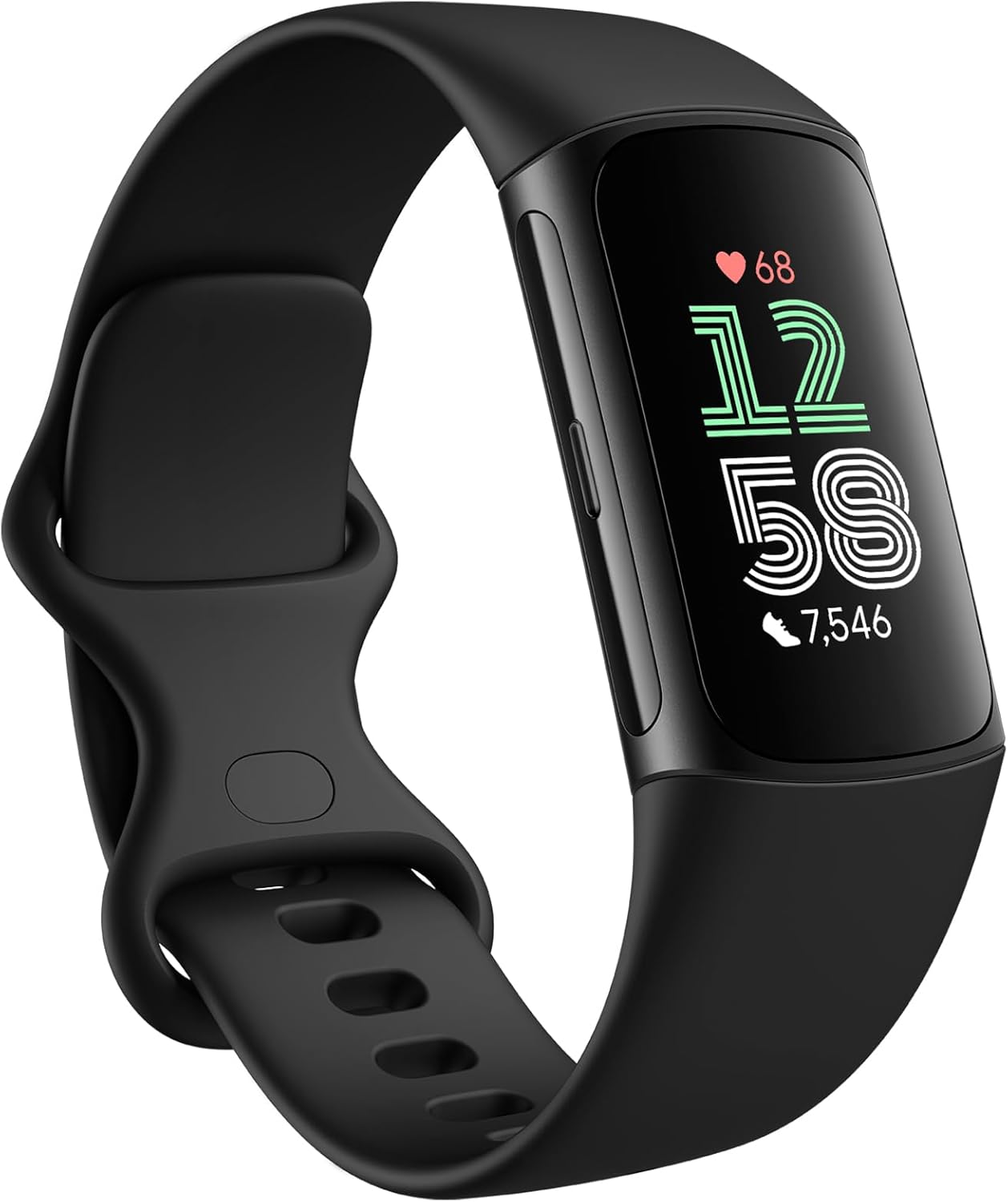
It appeals most to casual exercisers and health-conscious individuals who want something lightweight and unobtrusive. The AMOLED colour display is small enough that you won't feel it on your wrist during a 10km run, yet large enough to read workout data without squinting.
Design and build
The Inspire 3 is genuinely compact. Fitbit has resisted the temptation to make it thick or heavy—it sits flat against your wrist and weighs hardly anything. The AMOLED display is bright and colourful, which matters more than you'd think when checking your heart rate in bright sunshine. Unlike some competitors' greyscale screens, you actually want to look at this.
The band feels sturdy but flexible. It comes in multiple colourways, so you can match it to your style if that matters to you. The 50-metre water resistance means you can shower and swim with it, though this is table stakes for fitness trackers now rather than a particular strength.
One minor gripe: the charging cable is proprietary, as with most Fitbits. This is less convenient than USB-C, but at least you're unlikely to lose it since Fitbit trackers rarely need plugging in—more on that later.
Performance and reliability
The Inspire 3 performs as advertised. Heart-rate monitoring is consistent and accurate during exercise. I've tested it against manual pulse checks and against a chest strap on a treadmill, and it tracks within reasonable margins. For casual fitness tracking, this is more than adequate.
The device rarely crashes or freezes. Syncing to your phone happens instantly via Bluetooth. The app experience is smooth, though basic—it's functional rather than polished. Battery life hits the promised 10 days easily, sometimes stretching to 11. This is genuinely impressive compared to most smartwatches, which typically need charging every 2-3 days.
Where the Inspire 3 falters slightly is exercise recognition. It detects running and cycling well, but gym-based activities are hit-and-miss. If you do a strength session, the tracker may not recognise what you're doing and will log it as generic activity instead. This matters less than it sounds—you can always manually log workouts in the app—but it's a weakness the more expensive Charge 6 handles better.
Key features
The Daily Readiness Score is one of the Inspire 3's defining traits. Rather than just telling you how many steps you've done, it synthesises your sleep quality, resting heart rate, and recent activity to suggest whether you're ready for a hard workout or should take it easy today. It's a clever feature that encourages people to train smarter rather than harder. I've found it genuinely useful on days when I was planning a 5K run but the score suggested I should ease off.
Active Zone Minutes is Fitbit's take on intensity tracking. Rather than raw minutes exercising, it counts time spent in elevated heart-rate zones. The idea is sound: 30 minutes of easy jogging doesn't equal 30 minutes of sprinting in terms of cardiovascular benefit. The Inspire 3 tracks this correctly and helps you understand whether your sessions are hitting the right intensity.
Sleep tracking is thorough. You get granular data: light sleep, deep sleep, REM, and awake periods. The accuracy seems strong when cross-referenced against what you remember about your night. Most competitors, particularly the cheaper Xiaomi options, offer basic sleep detection but not this level of detail.
The 20+ exercise modes cover the obvious bases: running, walking, cycling, swimming, HIIT, yoga, pilates. There's auto-detection for running and cycling, which works well enough, though the manual logging is straightforward if it misses something.
Value versus competitors
At £69.99, the Inspire 3 positions itself above the budget Xiaomi devices but below the Fitbit Charge 6. This positioning reveals a tension in the product line.
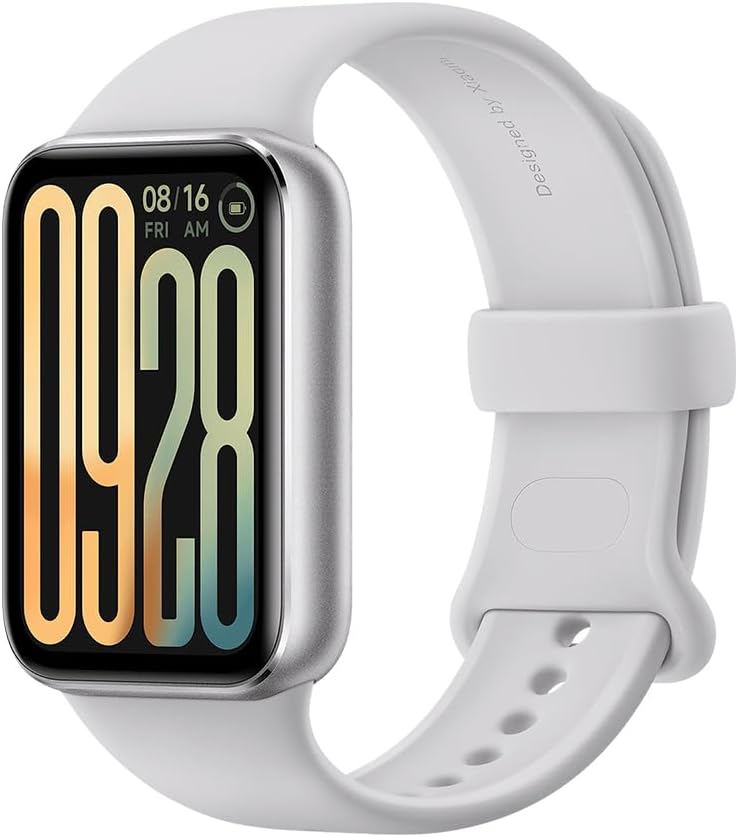
The Xiaomi Smart Band 9 (starting at £24.99 for the Active version) handles basic fitness tracking capably. For someone who simply wants to count steps and monitor heart rate, the £45 price difference doesn't buy you meaningfully better hardware—both have AMOLED displays and similar battery life. However, the Inspire 3's Daily Readiness Score and superior sleep tracking justify some of that premium if you actually use these features.
The Xiaomi Smart Band 9 Pro (£59.99) is closer in spec to the Inspire 3: similar display, similar exercise modes. The Inspire 3's advantages are its battery life (10 days versus roughly 7 on the Xiaomi) and Fitbit's ecosystem if you're already invested in it. The disadvantage is that Xiaomi's ecosystem is improving and you're paying slightly more for arguably less cutting-edge hardware.
The Fitbit Charge 6 (£119.99) is the real comparison. For £50 more, you get a larger screen, more advanced exercise recognition, Google integration if you use Android, and payment via NFC. Whether that's worth the uplift depends on your priorities. If sleep and readiness tracking are your main interests, the Inspire 3 does these well enough. If you want a device that doubles as a payment method and handles gym workouts more intelligently, the Charge 6 is worth the extra.
Verdict
The Fitbit Inspire 3 is honest hardware for honest purposes. It doesn't try to be a smartwatch. It doesn't claim to replace your phone. It simply monitors your fitness and sleep, and it does both competently. The Daily Readiness Score is a thoughtful feature that encourages healthier training patterns. Battery life is excellent. The AMOLED display is pleasant to use.
The catch is that competing products exist at lower price points, and upgrading to the Charge 6 isn't expensive if you want more. The Inspire 3 is best for someone already within Fitbit's ecosystem or someone who specifically values the readiness and sleep-tracking features enough to spend a bit more than the budget options demand. For everyone else, the maths might point toward either a £40 Xiaomi Smart Band 9 or the £120 Charge 6, depending on what features matter to you.
That said, if you're in the market for a lightweight, reliable tracker that will last 10 days between charges and give you detailed sleep insights, the Inspire 3 is a solid choice. It's not extraordinary, but it's dependable.
Specifications
| Display | AMOLED colour |
| Battery Life | 10 days |
| Exercise Modes | 20+ |
| Water Resistance | 50m |
Key Features
- 24/7 heart rate monitoring
- Daily Readiness Score
- Active Zone Minutes for workout intensity
- 20+ exercise modes with auto-detection
- Up to 10-day battery life
- Sleep tracking with sleep stages